

When to Seek Root Canal Retreatment: Signs, Symptoms, and Next Steps
June 12, 2026
5 Myths About Root Canals
June 26, 2026What’s the Difference Between a Dentist and an Endodontist?
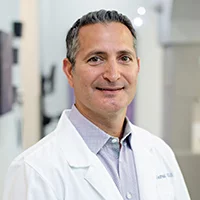 Dr. Mark Tadrissi, DDS, is an endodontic technology specialist in Charlotte, NC, with extensive experience in general and restorative dentistry.

Many people are familiar with the role of a general dentist, who serves as the primary care provider for oral health. However, when specific and complex issues arise, a specialist may be necessary. An endodontist is a dental specialist who focuses on the diagnosis and treatment of diseases and injuries of the dental pulp and surrounding tissues. Understanding the distinction between these two dental professionals is crucial for receiving appropriate and timely care, especially if you reside in or around areas like Charlotte, NC.
Key Insights
General dentists offer comprehensive care – They provide a wide range of services, including routine cleanings, fillings, crowns, bridges, and preventive care, acting as your first point of contact for most dental needs.
Endodontists are root canal specialists – These dental professionals undergo additional years of specialized training, focusing on complex procedures like root canal therapy, endodontic retreatment, and surgical endodontics.
Referrals are common for specialized care – Your general dentist will typically refer you to an endodontist if they identify an issue that requires their advanced expertise, ensuring you receive the best possible outcome.
Advanced technology enhances endodontic treatment – Endodontists often utilize state-of-the-art tools such as 3D cone beam CT scans and operating microscopes to precisely diagnose and treat intricate root canal problems.
Saving natural teeth is the primary goal – Both general dentists and endodontists aim to preserve your natural teeth whenever possible, with endodontists specializing in saving teeth that might otherwise need extraction due to internal damage.
The Role of a General Dentist: Your Primary Oral Healthcare Provider
A general dentist is your go-to professional for overall oral health. They provide comprehensive care, covering everything from preventive measures to restorative treatments. For example, regular check-ups and cleanings are essential for maintaining good hygiene.
General dentists handle common dental procedures such as fillings for cavities, applying dental sealants, and placing crowns or bridges. They also perform extractions, treat gum disease, and offer cosmetic dentistry options like teeth whitening. Essentially, they are equipped to manage the vast majority of your family’s dental needs.
When you have a toothache, your general dentist is usually the first person you call. They can diagnose the problem and, if it’s within their scope, provide the necessary treatment. If the issue is more complex, they will often recommend a specialist. Many patients in areas like Fort Mill, SC, or Gastonia, NC, rely on their general dentists for consistent, high-quality care.
What is an Endodontist? The Root Canal Specialist
An endodontist is a dentist who has completed additional postgraduate training, typically two to three years, specifically focused on the inside of the tooth. This specialization revolves around the dental pulp – the soft tissue, nerves, and blood vessels within the tooth’s core. The term “endodontics” literally means “inside the tooth.”
These specialists are experts in diagnosing and treating tooth pain related to the pulp. Their primary goal is to save natural teeth through procedures like root canal therapy. This treatment involves removing infected or inflamed pulp, cleaning and shaping the inside of the root canal system, and then filling and sealing it.
Endodontists use specialized techniques and equipment not always found in a general dental practice. This allows them to manage complex cases, such as teeth with unusual anatomy or those that have previously failed a root canal. If you’re experiencing severe tooth pain, or if your general dentist suggests a deeper issue, an endodontist will provide the focused expertise you need.
Specialized Procedures Performed by Endodontists
While root canals are the most common procedure, endodontists perform several other specialized treatments. One such procedure is apicoectomy surgery, which involves removing the tip of the tooth’s root and sealing the end to eliminate infection. This is often done when conventional root canal treatment isn’t sufficient.
They also perform endodontic retreatment for teeth where a previous root canal has failed. Furthermore, endodontists are skilled in diagnosing and treating traumatic tooth injuries, which can involve fractured roots or knocked-out teeth. Their advanced training means they are often the best choice for these delicate situations, ensuring the highest chance of tooth preservation.
Key Differences in Training and Focus
The fundamental difference between a general dentist and an endodontist lies in their education and area of focus. All endodontists are dentists first; they complete dental school and earn a D.D.S. or D.M.D. degree. However, endodontists then pursue an additional two to three years of advanced specialty education, often culminating in a Master’s degree or certificate in endodontics.
This intensive training covers advanced techniques in diagnosis, pain management, and complex root canal procedures. General dentists, while knowledgeable in basic endodontic principles, primarily focus on maintaining overall oral health and performing a wider range of general treatments. Consequently, endodontists perform a high volume of root canal treatments daily, developing an unparalleled level of expertise and efficiency.
Patients seeking an endodontist in Rock Hill, SC, or an endodontist in Indian Land, NC, can expect a professional who is deeply immersed in the nuances of pulp disease. Their dedicated practice in this specialized field contributes to predictable and successful outcomes.
When to See a General Dentist vs. an Endodontist
Knowing when to schedule an appointment with which professional can save you time and ensure you get the right care. For routine check-ups, cleanings, cosmetic procedures, or minor restorative work like fillings, your general dentist is the appropriate choice. They are your dental home, providing continuous care and monitoring your overall oral health.
However, if you experience persistent tooth pain, extreme sensitivity to hot or cold, tenderness when chewing, or swelling around a tooth, these symptoms might indicate a problem with the tooth’s pulp. In such cases, your general dentist will likely refer you to an endodontist for an evaluation. A referral ensures that a highly trained specialist can accurately diagnose the issue and provide the most effective treatment to save your tooth. This collaborative approach benefits the patient greatly.
For example, if you reside in Pineville, NC, and your general dentist suspects a deep infection, they will guide you to an endodontic specialist. Furthermore, endodontists are highly experienced in endodontic diagnosis, allowing for precise treatment planning.
The Importance of Collaboration Between Dentists and Endodontists
An effective partnership between a general dentist and an endodontist is vital for comprehensive patient care. General dentists often identify potential endodontic issues during routine examinations and refer their patients to specialists when necessary. This seamless transition ensures that patients receive specialized care for complex conditions while continuing to receive general dental care from their trusted family dentist.
After endodontic treatment, the patient returns to their general dentist for the final restoration of the tooth, such as placing a crown. This collaborative model leverages the specific strengths of each professional, providing the patient with the highest standard of care throughout their treatment journey. Such teamwork is common in practices serving communities like Marvin, NC, and Marshville, NC, emphasizing patient-centered outcomes.
Advanced Technology in Endodontics
Modern endodontics significantly benefits from cutting-edge technology. Endodontists frequently use dental operating microscopes, which provide magnification and illumination, allowing for greater precision in identifying and treating complex root canal systems. They also utilize Cone Beam Computed Tomography (CBCT) scans, a 3D imaging technology that offers detailed views of tooth structures and surrounding bone, helping in accurate diagnosis and treatment planning.
Additionally, advanced irrigation systems, such as the GentleWave Root Canal Procedure, enhance the cleaning and disinfection of the root canal system, reaching areas that traditional methods might miss. These technologies contribute to higher success rates and improved patient comfort during procedures. The use of such innovative tools underscores the specialized nature of endodontic practice and why their expertise is so valuable.
Making the Right Choice for Your Dental Health
Your oral health is a critical component of your overall well-being. Understanding the distinct roles of a general dentist and an endodontist empowers you to make informed decisions about your dental care. A general dentist provides the foundational care and preventive measures necessary for a healthy mouth.
When issues arise deep within a tooth, an endodontist offers the specialized knowledge and advanced techniques required to save the tooth and alleviate pain. Always consult your general dentist first; they will guide you to the appropriate specialist if your condition necessitates it. This partnership ensures you receive comprehensive, expert care, whether you need a routine cleaning or a complex root canal in communities such as Lake Wylie, SC, or Sun City, SC. Our service areas cover a broad region to help you find the expert care you need.
Need Specialized Endodontic Care?
If you’re experiencing severe tooth pain or have been referred for a root canal, don’t delay treatment. Our experienced endodontic team is here to provide precise diagnosis and effective solutions to save your natural teeth. We offer advanced care in Charlotte, NC, and surrounding communities.
Frequently Asked Questions
Can my general dentist perform a root canal?
Many general dentists are trained to perform root canals, particularly for less complex cases. However, for intricate cases, retreatment, or surgical procedures, they often refer patients to an endodontist due to their specialized training and equipment. It ultimately depends on the complexity of the specific tooth and the dentist’s comfort level.
Do I need a referral to see an endodontist?
While many patients are referred by their general dentist, a referral is not always strictly necessary. You can often schedule an appointment directly with an endodontist if you suspect you need specialized care for tooth pain or infection. However, checking with your insurance provider regarding referral requirements is always a good idea.
What is the typical recovery time after a root canal?
Recovery after a root canal is usually quite fast. Most patients can return to their normal activities within a day or two. Some mild soreness or sensitivity is common for a few days, which can be managed with over-the-counter pain relievers. It’s important to follow all post-treatment instructions from your endodontist.
Is an endodontist more expensive than a general dentist?
The cost of treatment can vary based on the procedure’s complexity and your insurance coverage. Because endodontists perform specialized procedures using advanced technology, their fees for specific treatments like root canals might be higher than a general dentist’s. However, investing in specialized care can lead to better outcomes and save your natural tooth.
How do I choose a good endodontist?
When choosing an endodontist, look for one with board certification, extensive experience, and positive patient reviews. Your general dentist can also provide a trusted referral. Consider their use of advanced technology and their approach to patient comfort. The American Association of Endodontists (AAE) provides resources to help locate qualified specialists.


