Do Cracked Teeth Heal on Their Own?
March 6, 2026
What To Do When You Knock A Tooth Out
March 20, 2026Does a Broken Tooth Need to Be Pulled?
 Dr. Sonia Chopra, DDS, is a tooth saver extraordinaire. She’s a board-certified endodontist, TEDx speaker, Forbes contributor, author, and endodontic instructor.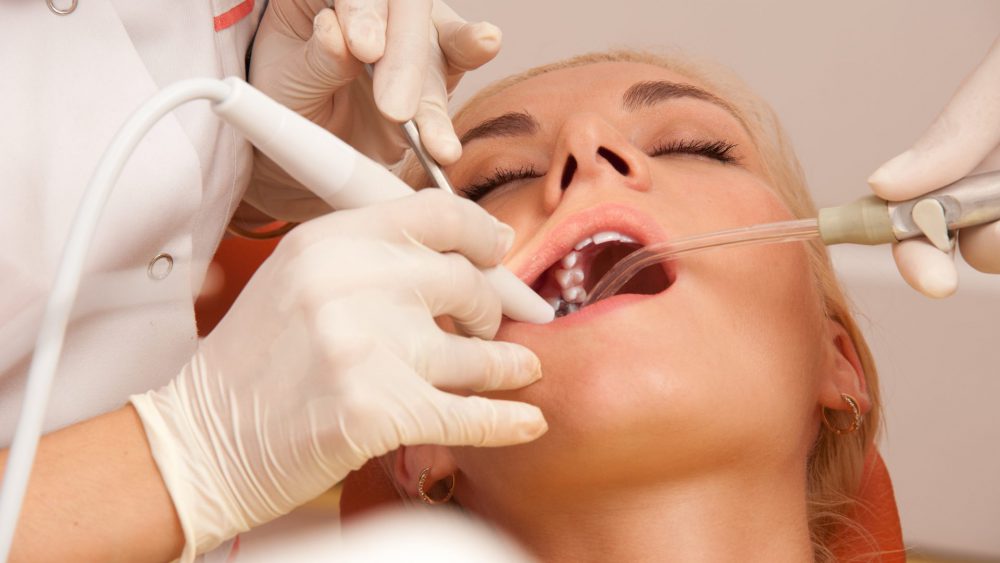
Discovering a broken tooth can be startling, whether it happens during a meal, from grinding, or after an accident. The immediate concern for many people in Charlotte, NC is often panic: does this tooth need to be extracted? Fortunately, the answer is often no, as many broken teeth can be repaired and saved, especially with prompt and appropriate treatment.
Key Insights
Many broken teeth can be saved – Extraction is not always necessary. Modern dentistry, particularly endodontics, prioritizes preserving natural teeth whenever possible through various repair techniques.
Severity dictates treatment – The depth of the break, presence of infection, and remaining healthy tooth structure are critical factors in determining whether a tooth can be repaired or needs to be pulled.
Early intervention is crucial – Delaying professional evaluation and treatment for a broken tooth can lead to worsening damage, infection, and more complex, costly procedures, potentially changing a savable tooth into an extraction case.
An endodontist provides specialized care – For complex fractures, nerve involvement, or difficult-to-diagnose cracks, an endodontist charlotte nc has the advanced training and technology to accurately assess the damage and offer specialized treatments like root canals or an apicoectomy procedure.
Common causes are often preventable – Biting hard foods, teeth grinding, and neglecting existing decay are frequent culprits behind broken teeth. Awareness of these factors can help in prevention.
Understanding What Constitutes a Broken Tooth
A broken tooth refers to any damage that compromises its structure, ranging from a minor cosmetic issue to a deep fracture affecting the nerve or root. Understanding the type of damage is the first step in deciding the best course of action.
Types of Broken Teeth
Damage to a tooth can manifest in several ways, each with different implications for treatment and prognosis:
- Chipped tooth – This involves a small piece of enamel breaking off. While often cosmetic, it can sometimes cause sensitivity.
- Cracked tooth – A fracture line can extend deeper over time and may worsen with chewing pressure. Early detection is key to preventing further damage.
- Fractured cusp – This typically occurs when a part of the chewing surface breaks, often around an old or large filling that has weakened the tooth.
- Severe fracture or split tooth – This represents more significant damage where the tooth breaks into sections or the fracture extends below the gumline. Such extensive damage often poses a greater challenge for repair.
Even seemingly small breaks warrant evaluation because bacteria can penetrate deeper layers, leading to more serious issues like infection. For comprehensive care of cracked teeth charlotte nc residents can rely on specialized endodontic expertise.
Common Causes of Broken Teeth
Most broken teeth occur when a tooth, often already weakened, is subjected to excessive force. Several factors can contribute to this type of dental trauma:
- Biting hard foods – Items like ice, hard candy, or popcorn kernels can exert immense pressure, especially on teeth with existing vulnerabilities.
- Teeth grinding or clenching (bruxism) – This habit, particularly at night, can wear down and weaken teeth over time, making them more susceptible to fractures.
- Large or old fillings – These restorations can compromise the structural integrity of the remaining tooth, creating weak points where breaks can occur.
- Tooth decay – Untreated decay can hollow out a tooth from the inside, significantly weakening its structure until it eventually breaks. You can learn more about the stages of tooth decay and its consequences.
- Trauma – Falls, sports injuries, or accidents are direct causes of traumatic injuries to teeth, leading to chips, cracks, or complete fractures.
- Sudden temperature changes – Rapid shifts from hot to cold (e.g., drinking ice water after hot coffee) can cause expansion and contraction, potentially cracking a compromised tooth.
If you experienced pain or sensitivity before the tooth broke, it often indicates that the tooth was already compromised. Addressing these underlying issues can prevent future incidents.
When Does a Broken Tooth Need to Be Pulled?
The good news is that in many cases, a broken tooth does not need to be pulled. Dental professionals, including general dentists and endodontists, prioritize saving natural teeth whenever possible due to the long-term benefits for oral health and function. A tooth often does not require extraction if:
- The fracture is entirely above the gumline.
- The root structure remains intact and stable.
- Any infection present is localized and treatable.
- Enough healthy tooth structure remains to adequately support a permanent restoration.
However, extraction becomes a more probable outcome when the break is deep, extends into the root, or if the tooth cannot be predictably rebuilt. A thorough evaluation by an experienced professional is crucial to make this determination.
Signs a Broken Tooth May Require Extraction
While only a dental professional can definitively determine if a tooth needs to be pulled, certain signs warrant immediate evaluation. These indicators suggest severe damage or potential infection:
Severe or Worsening Pain
Persistent or intense pain, especially discomfort that disrupts sleep or chewing, often signals involvement of the tooth’s nerve. This can indicate significant damage that might be beyond simple repair. Pain can also suggest an underlying infection, which, if left untreated, can spread.
Swelling, Drainage, or a Gum “Pimple”
Any swelling of the gums or face, pus drainage, a foul taste in the mouth, or a pimple-like bump on the gums (known as a fistula) are strong indicators of infection or an abscess. Such infections can threaten not only the affected tooth but also surrounding teeth and even systemic health. If you suspect an abscess tooth, seek immediate attention.
Fracture Below the Gumline
Breaks that extend significantly below the gumline are particularly challenging to treat. It is difficult to properly seal and restore such a tooth, making it prone to future infection and structural failure. In these cases, saving the tooth may not be predictable or long-lasting.
Tooth Looseness After the Break
If a tooth becomes loose after breaking, it may suggest a root fracture or damage to the supporting bone. This level of instability often makes the tooth unrestorable, as the foundation required for a stable repair is compromised.
Split Tooth or Suspected Root Fracture
When a tooth is cleanly separated into two or more pieces, or if a crack extends vertically into the root, saving it becomes highly improbable. A true severe fracture into the root system typically means the tooth cannot be salvaged.
It is vital to seek same-day dental care if you experience severe pain, swelling, fever, pus, difficulty swallowing, or rapidly increasing facial swelling. These are signs of a potentially serious infection that requires immediate attention from an emergency root canal dentist charlotte professional.
When a Broken Tooth Can Be Saved
When a broken tooth is deemed restorable, several non-extraction treatments are available. These procedures aim to preserve the natural tooth structure and restore its function and aesthetics.
Bonding or Filling
This treatment is best suited for small chips and minor fractures that do not involve the tooth’s nerve. Dental bonding uses a tooth-colored resin material that is applied to the tooth, molded into shape, and then hardened with a special light. It effectively restores the tooth’s natural shape and protects sensitive areas.
Onlay or Crown
For fractured cusps or larger breaks that require significant reinforcement, an onlay or crown may be recommended. A dental crown acts like a cap, completely covering the damaged tooth to hold it together, prevent further cracking, and restore its strength and form. Do I Need A Crown After A Root Canal is a common question, and often the answer is yes, to protect the newly treated tooth.
Root Canal Therapy + Crown
This combined approach is necessary for breaks that reach the pulp (the innermost part of the tooth containing nerves and blood vessels) or for teeth experiencing lingering pain or infection. During root canal therapy, the infected or damaged pulp tissue is carefully removed, the inside of the tooth is cleaned and disinfected, and then sealed. A crown is then placed over the treated tooth to restore its strength and protect it from future damage. This procedure is a common emergency dental service in the region. Residents in South Park and surrounding areas can find expert root canal care.
Endodontic Retreatment
Sometimes, a tooth that has already undergone root canal therapy may develop new problems or experience healing complications, requiring endodontic retreatment charlotte nc. This is a specialized endodontic procedure aimed at saving the tooth. This procedure involves reopening the tooth, removing the previous filling material, cleaning the canal system again, and resealing it. This can often save a tooth that might otherwise need extraction.
Apicoectomy
An apicoectomy is a surgical endodontic procedure performed when an infection or inflammation persists after a root canal, often at the tip of the tooth’s root. During this micro-surgical procedure, the endodontist removes the very tip of the root and seals the end of the root canal. This advanced procedure can save a tooth that would otherwise be lost.
The Importance of an Endodontist Evaluation
When cracks are elusive or complex, an endodontist possesses specialized training and advanced diagnostic tools to assess whether a tooth can be stabilized, or if the fracture threatens the root. They are also experts in dental trauma care and can manage injuries to the teeth and surrounding tissues. With state-of-the-art equipment like 3D cone beam CT imaging, endodontists can precisely locate and evaluate the extent of damage that might be invisible on conventional X-rays. They are experts in diagnosing and treating tooth pain, especially when the pulp is involved.
Why You Shouldn’t Wait to Seek Treatment
Delaying care for a broken tooth can significantly worsen the prognosis, potentially turning a fixable tooth into an extraction case. The risks of waiting include:
- Crack progression – Chewing pressure can cause small cracks to deepen and extend, making successful repair more difficult or impossible.
- Irreversible nerve inflammation – The dental pulp can become inflamed or infected, leading to severe pain and requiring more complex procedures like a root canal.
- Infection spreading – Bacteria can enter the tooth through the break, leading to an abscess in the bone around the root. This infection can spread and affect adjacent teeth or even overall health.
- Structural collapse – The remaining tooth structure can weaken further and eventually break down completely.
- Increased complexity and cost – What might have been a simple filling or bonding procedure can escalate into a root canal, crown, or even extraction and implant, leading to more discomfort and higher costs. You can learn more about the consequences of delaying a root canal.
If you cannot be seen by a dentist immediately, avoid chewing on the affected side and stick to soft foods to minimize further damage. Innovative tools, like fotona laser treatment, are sometimes used in endodontics to enhance disinfection and promote healing. This advanced technology is part of the endodontic services offered by specialists.
Quick Guide: When to See a Dentist
Same-Day Visit If You Have:
- Severe or constant throbbing pain, especially when biting.
- Swelling, pus, a foul taste, or a fever.
- A large fracture or missing tooth structure.
- A tooth that feels loose or has been displaced.
See a Dentist Soon If:
- Sensitivity or minor swelling in the affected area.
- A cracked or chipped tooth that catches on your tongue.
- Uncertainty about how deep the break is or if the tooth is compromised.
Can Wait Briefly (But Still Get Checked):
- A very small chip with no pain or sensitivity. Even minor issues can worsen over time without proper evaluation.
What to Do at Home Right Now
While waiting for your dental appointment, these steps can help manage the situation and prevent further damage:
- Gently rinse your mouth with warm water to remove any fragments or food particles.
- If there are sharp edges, use dental wax (available at pharmacies) to cover them and protect your tongue and cheeks.
- Avoid chewing on the affected side of your mouth.
- Apply a cold compress externally to the cheek for swelling.
- Take over-the-counter pain relievers, such as ibuprofen (Advil) for its anti-inflammatory properties, if pain is present.
It is crucial not to attempt to glue the tooth back together or file it down yourself, as these actions can cause more significant and irreversible damage. Seeking dental emergency treatment is the safest course of action. For any urgent dental care needs in Mooresville, Huntersville, Steele Creek, or Concord, seek professional help immediately.
Conclusion
So, does a broken tooth need to be pulled? Not always. Many broken teeth can be effectively saved with restorative procedures like bonding, crowns, or comprehensive root canal treatment. For those in need, emergency dental services charlotte nc are available. Extraction is generally considered when the tooth is severely split, fractured deep below the gumline, loose due to root involvement, or suffering from a non-restorable infection. The best chance of saving your tooth comes from prompt evaluation by a dental professional, especially an endodontist, who can accurately diagnose the extent of the damage and recommend the most appropriate course of treatment. Don’t delay seeking care, as early intervention significantly improves the chances of a successful outcome.
Worried About Your Broken Tooth?
If you have a broken tooth and are unsure about the next steps, don’t wait. Our experienced team at Ballantyne Endodontics specializes in saving natural teeth and can provide a thorough evaluation.
Frequently Asked Questions
What is the difference between a chipped tooth and a fractured tooth?
A chipped tooth typically involves a small piece of enamel breaking off, often presenting as a cosmetic issue or minor sensitivity. A fractured tooth, conversely, implies a crack or break that can extend deeper into the tooth structure, potentially reaching the pulp (nerve) or even the root. Fractures are generally more serious and often require more complex treatment to prevent worsening.
Can a broken tooth heal on its own?
No, a broken tooth cannot heal on its own. While minor chips might not cause immediate issues, the damaged structure will not repair itself. Breaks expose the inner layers of the tooth to bacteria and decay, which can lead to infection and further damage if left untreated. Professional dental intervention is always necessary to repair the damage and prevent complications.
What should I do immediately after breaking a tooth?
Immediately after breaking a tooth, rinse your mouth with warm water to clean the area. If there’s swelling, apply a cold compress to the outside of your cheek. Avoid chewing on the broken tooth and take an over-the-counter pain reliever if you’re experiencing discomfort. Contact your dentist or endodontist as soon as possible for an urgent evaluation.
Will my insurance cover treatment for a broken tooth?
Most dental insurance plans cover a portion of the cost for restorative treatments like fillings, crowns, and root canals, especially when deemed medically necessary to save a tooth. Coverage can vary significantly based on your specific plan and the type of treatment required. It’s best to contact your insurance provider directly or consult with our financial coordinator at Ballantyne Endodontics to understand your benefits.
How can I prevent my teeth from breaking?
To prevent teeth from breaking, avoid biting hard foods like ice or hard candies. If you grind or clench your teeth, especially at night, consider wearing a nightguard. Practice good oral hygiene to prevent decay, which weakens teeth. Also, wear a mouthguard during sports activities to protect against traumatic injuries. Regular dental check-ups allow your dentist to identify and address any weaknesses or decay before they lead to a break.