Dental Fears and Phobias: 7 Common Fears and How to Get Over Dental Phobia
April 10, 2026
Do Endodontists Pull Teeth? To Pull or Not to Pull: Tips to Save Your Natural Teeth
May 5, 2026Benefits of Mouthguards in Sports: Why Every Athlete Should Wear One
 Dr. Mark Tadrissi, DDS, is an endodontic technology specialist in Charlotte, NC, with extensive experience in general and restorative dentistry.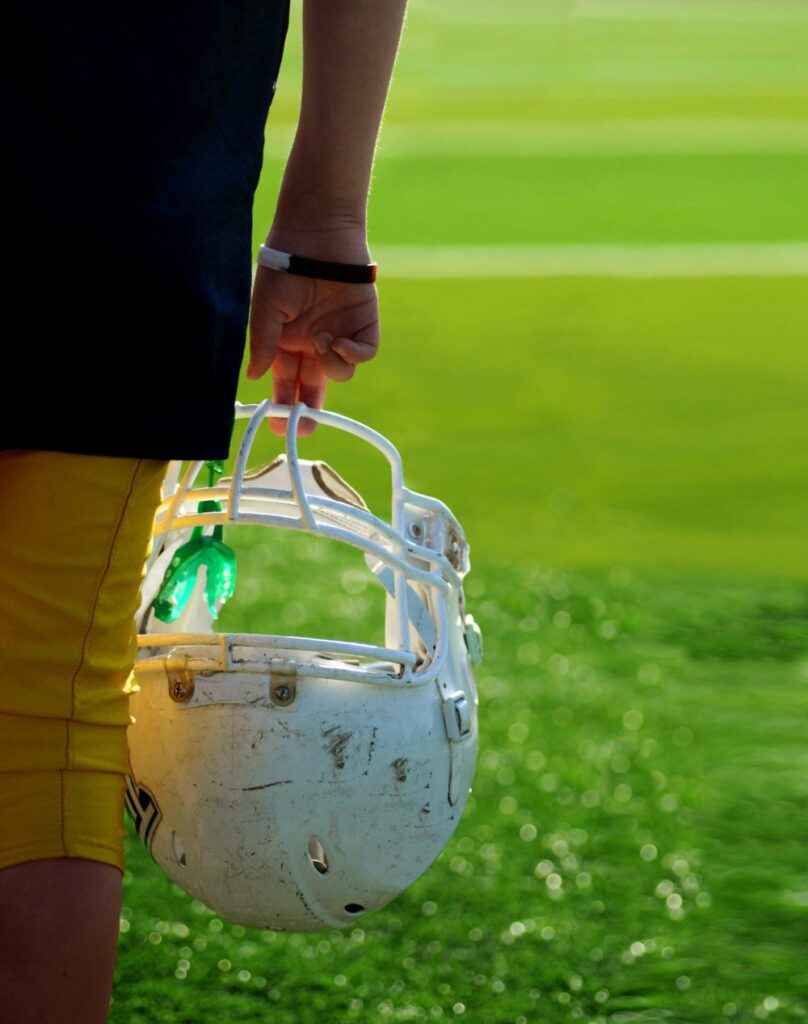
A sudden impact can quickly compromise an athlete’s smile, yet a simple piece of equipment often prevents permanent damage. The benefits of mouthguards in sports extend far beyond just safeguarding teeth. A properly fitted mouthguard significantly reduces oral injuries, protects the jaw, and helps limit the severity of certain impact-related traumas.
Key Insights
Comprehensive Dental Protection – Mouthguards prevent common injuries like chipped or knocked-out teeth, as well as cuts to soft tissues like lips, cheeks, and gums, acting as a critical shock absorber during impacts.
Jaw and TMJ Support – Beyond just teeth, a well-fitted mouthguard cushions forces that can injure the jaw and temporomandibular joint (TMJ), potentially reducing soreness and stabilizing the jaw during collisions.
Potential Reduction in Impact Severity – While not a concussion guarantee, mouthguards can contribute to overall safety by stabilizing the jaw and reducing the transfer of force during head impacts, lessening associated oral trauma.
Enhanced Athlete Confidence and Focus – Athletes perform better when they are not worried about injury. Consistent mouthguard use improves confidence, reduces hesitation in contact situations, and helps maintain focus, particularly for younger participants.
Cost-Effective Preventative Care – Investing in a quality mouthguard is a small, predictable expense compared to the potentially thousands of dollars required for emergency dental visits, root canals, crowns, or implants after a severe oral injury.
Regardless of whether you play football, basketball, hockey, lacrosse, soccer, wrestling, or martial arts, a mouthguard remains one of the most cost-effective forms of protection you can wear. It serves as a vital shield, protecting your oral health and overall well-being. Furthermore, a custom-fitted option can significantly enhance comfort and effectiveness.
How Mouthguards Protect Your Oral Health
One of the primary functions of mouthguards in sports is injury prevention. During contact or collision sports, direct impacts to the face can lead to a range of severe dental and oral injuries. For example, a mouthguard acts like a crucial shock absorber, which is especially important for preventing a tooth injury in Charlotte NC. It distributes the force of an impact across a larger area, rather than allowing it to concentrate on a single tooth or section of the jaw.
This protective action helps prevent serious issues such as chipped or fractured teeth, which often require cracked teeth treatment, knocked-out teeth, and painful cuts to the lips, cheeks, and tongue. Additionally, it safeguards against gum injuries and bleeding, and protects existing dental restorations like crowns, veneers, or fillings. Maintaining good oral hygiene is important, but a mouthguard offers mechanical protection that brushing cannot.
Beyond Teeth: Jaw Stabilization and Impact Reduction
Mouthguards offer more than just front tooth protection. A properly fitted guard covers the entire dental arch, cushioning forces that could otherwise injure the jaw. This support is particularly important in high-impact activities where blows to the face are common, such as football, rugby, or mixed martial arts.
Protecting Teeth and Supporting the Jaw
Key protection benefits include:
- Tooth fracture protection: It significantly reduces the chance of cracking or breaking a tooth during a hit or fall.
- Jaw stabilization: The device helps minimize sudden jaw displacement upon impact, which can prevent more complex injuries.
- TMJ support: For some athletes, a mouthguard may limit post-impact jaw soreness in the temporomandibular joint, improving comfort.
Therefore, understanding these additional benefits highlights the comprehensive protection a mouthguard offers.
Reducing Severity of Head Impacts
Another important benefit of mouthguards in sports relates to their role in absorbing and redirecting forces during collisions. By stabilizing the jaw, a mouthguard can help mitigate some of the forces transferred to the head. It is important to note: mouthguards are not a concussion guarantee. Helmets, strict rule enforcement, and proper athletic technique remain paramount for preventing concussions. However, mouthguards play a supportive role by reducing jaw-driven force transfer and preventing oral trauma that often accompanies head impacts.
Comfort, Confidence, and Cost-Effectiveness
Athletes perform better when they are not constantly worried about getting hurt. A well-fitting mouthguard instills a sense of security that translates into improved play. Increased confidence during physical activity allows athletes to engage more fully. They exhibit less hesitation in contact situations, which can be crucial in competitive sports. Moreover, improved focus is particularly noticeable in younger athletes, helping them concentrate on the game rather than potential injury.
Comfort is a significant factor in compliance. Guards that fit poorly tend to shift, rub, cause gagging, or restrict breathing, making athletes less likely to wear them consistently. Therefore, a comfortable, custom-fitted mouthguard ensures consistent wear and optimal protection. If you are in need of dental care related to sports injuries, consider reaching out to a qualified endodontist Charlotte NC or a trusted root canal dentist in Charlotte for expert treatment.
Mouthguards: Affordable Insurance for Your Smile
Dental injuries can become expensive very quickly. Emergency visits, X-rays, splinting, root canal therapy, crowns, implants, and cosmetic repairs can easily accumulate thousands of dollars in costs. By contrast, a mouthguard represents a small, predictable expense when compared to the financial burden of repairing a broken tooth Charlotte, replacing a knocked-out tooth, or treating facial lacerations. Give teeth a chance to last a lifetime by proactively protecting them.
Choosing the Right Mouthguard: Types and Fit
Selecting the appropriate type of mouthguard is crucial for maximizing its protective benefits. Different types offer varying levels of protection, comfort, and cost. Understanding these differences can help you make an informed decision for yourself or your athlete.
Types of Mouthguards: Which One is Best?
There are three main categories of mouthguards:
- Stock Mouthguards:
These are the least expensive option and are pre-formed, offering a one-size-fits-most approach. They tend to be bulky, provide a poor fit, and can interfere with breathing and speaking. They are generally best suited for very light recreational use where impact risk is minimal. - Boil-and-Bite Mouthguards:
These are affordable and widely available in sporting goods stores. Made from thermoplastic material, they are softened in hot water and then molded to the athlete’s teeth by biting down. They offer a better fit than stock guards, but their protection level depends heavily on the quality of the molding process. These are suitable for many youth athletes and moderate-contact sports. - Custom Mouthguards (Dentist-Made):
These offer the best fit, comfort, and coverage. A dentist takes an impression of your teeth to create a guard that perfectly conforms to your mouth. Custom guards are more durable and remain stable during play, allowing for clear speech and unobstructed breathing. They are highly recommended for high-contact sports, athletes with braces, or those with prior dental trauma. Seeking a ballantyne endodontist can ensure you receive a professional fitting for optimal protection.
Maximizing Protection: Tips for Mouthguard Care and Use
The effectiveness of a mouthguard hinges on its consistent and correct use. Proper care also extends its lifespan and maintains hygiene.
Quick Tips to Get the Most Protection
- Wear it consistently: Always wear your mouthguard during every practice and every game. Injuries can happen during any level of play, not just competitions.
- Replace it when needed: Replace your mouthguard if it becomes torn, warped, or no longer fits snugly. A damaged guard cannot provide adequate protection.
- Clean regularly: Rinse your mouthguard after each use and clean it regularly with a toothbrush and cool, soapy water, or a non-abrasive denture cleaner. This prevents bacterial buildup.
- Store properly: Always store your mouthguard in a vented, rigid case (not loosely in a gym bag pocket). This protects it from damage and allows it to dry, inhibiting bacterial growth.
- Check fit often: For growing children or athletes with braces, re-check the fit regularly as teeth and jaw structures change. A loose mouthguard provides little protection.
Ultimately, if a mouthguard feels loose, makes you gag, or restricts breathing, athletes are less likely to wear it. Fit truly matters because compliance directly impacts safety. If you sustain a broken tooth mooresville or any tooth injury charlotte nc during sports, prompt attention from an root canal dentist charlotte is critical.
Protect Your Smile, Stay in the Game!
Don’t wait for an injury to recognize the value of a mouthguard. Proactive protection safeguards your oral health and allows you to perform with confidence.
Schedule a consultation with a Ballantyne Endodontics specialist today!
Frequently Asked Questions
Why are mouthguards so important for athletes?
Mouthguards are crucial for athletes because they act as a protective barrier, absorbing and distributing the force of impacts. This prevents severe dental injuries like chipped or knocked-out teeth, protects the soft tissues of the mouth, and helps stabilize the jaw during collisions. They are essential for preventing painful and costly oral trauma.
Can a mouthguard prevent a concussion?
While mouthguards offer significant oral protection and may help stabilize the jaw during impacts, they are not proven to prevent concussions. Concussion prevention primarily relies on proper helmet use, adherence to sport rules, and good technique. However, mouthguards can contribute to overall safety by reducing the severity of oral and jaw injuries often associated with head impacts.
What is the difference between a stock mouthguard and a custom-fitted one?
Stock mouthguards are pre-formed and offer a universal fit, often being bulky and less comfortable. Boil-and-bite mouthguards provide a slightly better fit by molding to your teeth after being softened in hot water. In contrast, custom-fitted mouthguards are created by a dentist from an impression of your teeth, offering superior comfort, retention, and the highest level of protection due to their precise fit.
How often should I replace my mouthguard?
You should replace your mouthguard annually, or more frequently if it shows signs of wear, tears, or damage. For growing athletes, replacement may be needed more often to ensure a proper fit as their teeth and jaws develop. A damaged or ill-fitting mouthguard cannot provide effective protection.
Are mouthguards only for high-contact sports?
Although highly recommended for high-contact sports like football and hockey, mouthguards are beneficial for many other activities, including basketball, soccer, wrestling, and even cycling, where there’s a risk of falls or unexpected impacts. Any sport with potential for facial trauma warrants mouthguard use to protect oral health. The American Dental Association (ADA) provides further guidelines on sports-related mouthguard use: ADA.org.