What is a Pulpotomy?
February 5, 2020
How Long Does a Root Canal Take to Heal?
April 3, 2020Top Dental Habits to Help Save Your Natural Teeth
 Dr. Tanya Reiter, DDS, is a board-certified endodontist and an endodontic surgery specialist in Charlotte, NC.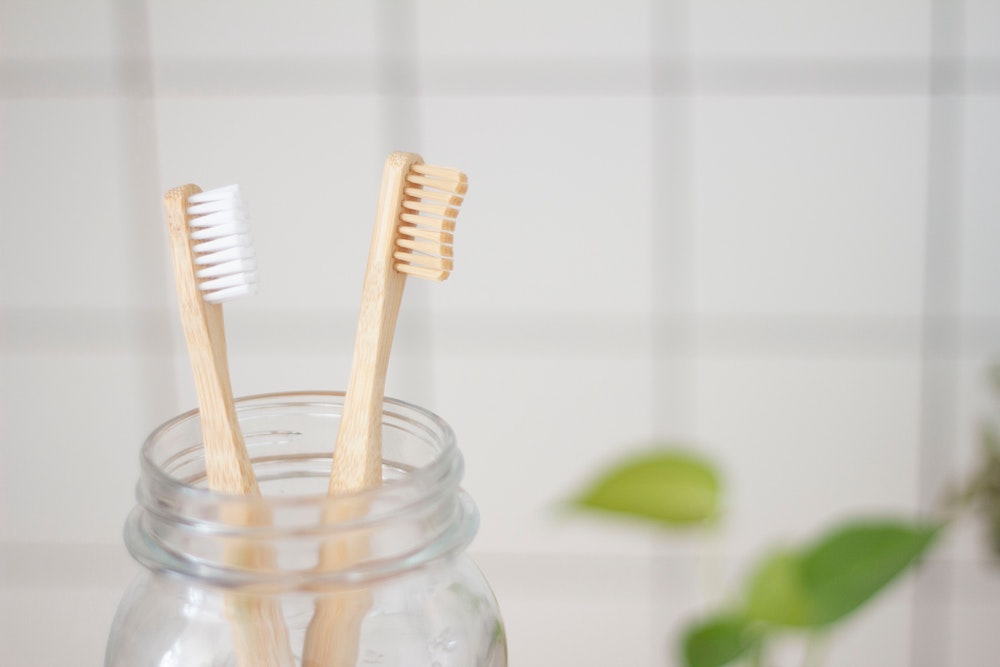
You only have one set of adult teeth. These teeth need to last you for the majority of your life. When you think about it, most other cells within your body replicate and repair itself. Your teeth, though, these are forever. That means you need to take care of them. With the top dental habits, you’ll prolong the life of your chompers.
Yes, there are all kinds of ways you can revamp and replace teeth. Modern cosmetic dentistry has come a long way in recent years. However, that doesn’t mean you should toss caution to the wind and assume you don’t need to care for your teeth because you can get implants later. While that might be a bridge (tooth joke, get it?), you eventually need to cross, as long as you follow these top dental habits, you will protect your teeth and extend the length of time you have with them.
Brush Twice A Day
This might seem like an obvious one, but if you’re not following the standard top dental habits for saving your natural teeth, you probably are not following up on the other steps as well. It would be best if you brushed your teeth at least twice a day. You can talk to your dentist about which toothbrush and toothpaste are best for your gums and teeth, as different kinds will help with soft gums or if you have other issues with your teeth.
Also, make sure to rinse and spit out. Don’t just brush your teeth, spit, and be done with it. If you don’t rinse everything out, you will end up leaving bacteria still in your mouth, which isn’t going to do your teeth and gums much good.
Plus, don’t forget to clean your tongue. This is the one spot people often overlook but is essential when it comes to proper oral hygiene.
Floss at Least Once A Day
Brushing your teeth is a must, but so is flossing. There are little bits of food that will become lodged between teeth that your toothbrush is merely not going to remove. Your toothbrush may end up pushing some of this food in between your teeth. If you don’t catch it, the food will start to rot, and bacteria will form. This can lead to decay spreading to your teeth and problems with your gum line. So, always do what you can and floss at least once a day.
Pro tip: follow this up with mouthwash. The mouthwash will help give you the finishing touches of your brushing, flossing, and rinsing routine.
See Your Dentist
Ideally, you should be seeing your dentist at least twice a year. A lot can happen in six months, so even if you were given a clean bill of health, it could be different six months later (in our opinion, us Endodontists shouldn’t be as busy as we are). Your dentist will help clean your teeth, which gives you that nice clean, fresh-tasting mouth as you leave the dental office. Of course, if you have other issues you need addressing, you might need to see your dentist more than twice a year, but as long as you follow this schedule, you’ll avoid most of the common teeth and gum issues that plague others.
Color Doesn’t Mean Your Teeth Are Healthy
Seeing bright white teeth can be a mirage. Sure, the teeth look great, but it doesn’t mean they are healthy. The color of your teeth has nothing to do with it. You can have the healthiest teeth in the world but also drink coffee every day. The coffee will likely add some tarnish to the color of your teeth. On the flip side, you can use all the whitening products in the world, give yourself a pristine shine, and yet have decayed roots or inflamed gums. So don’t be fooled by the appearance of white teeth. The whitest teeth in the world can still have a cavity, so don’t use this as an excuse not to brush your teeth and visit the dentist.
Cut Down On The Sugary & Acidic Drinks
Speaking of coffee, there is nothing like a morning pick-me-up. For some people, that morning cup of coffee or soda is essential for kicking the day off right (you don’t want to talk to some of us without our cup of joe first). However, these types of acidic and sugary drinks can harm your teeth. Yes, they can cause stains, which are difficult to remove, but they can also erode the enamel of your teeth. This can lead to sensitivity, gum recession, and other unenjoyable issues. We know eliminating these drinks can be hard, but we strongly recommend cutting it down to a cup a day.
Clean That Tongue
It would be best if you did more than brush your teeth. You should also be brushing your tongue. You can do this with a tongue scraper. If you do not clean it regularly, bacteria will stick to your tongue and cause all kinds of issues. Even if you brush your teeth, your tongue will still cling to the bacteria and other gunk. When you brush and clean your tongue, this not only will help remove the bacteria from your mouth, but it will also help drastically improve your breath as well. If you do have a tongue scraper though don’t drag it back and forth. Drag it from back to front, lift it, clean it, and repeat.
Keep Your Natural Teeth For Forever
One of the most critical top dental habits you need to follow is to have your teeth regularly checked by your dentist. While brushing, flossing, and doing everything else for your teeth is essential, there are issues you will not always be able to spot. This is where your dentist comes in. Your dentist will help clean and care for your teeth. They will also be there to provide you with additional advice to help you keep your natural teeth. But if you end up with a problem where you need a root canal, Ballantyne Endodontics will be here for you every step of the way.